

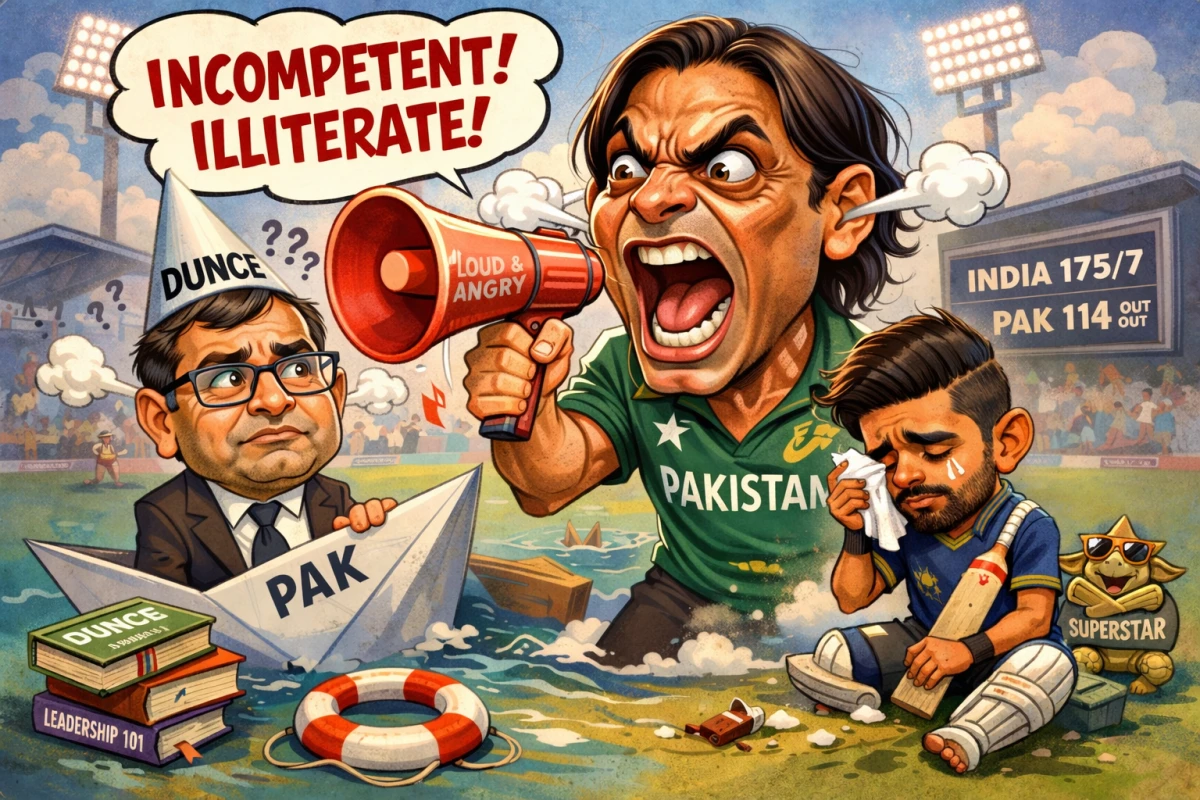
The recent clash between the ICC Men's T20 World Cup rivals, the India national cricket team and the Pakistan national cricket team, was more than just a cricket match. After Pakistan’s heavy defeat, former fast bowler Shoaib Akhtar publicly criticized PCB chairman Mohsin Naqvi and captain Babar Azam, questioning leadership decisions and team direction.
While sports headlines focus on rivalry and performance, there is a deeper professional lesson here for employers, students, and jobseekers.
In business, as in cricket, leadership decisions shape outcomes. Strategic planning, talent selection, and clarity of vision determine whether teams succeed or collapse under pressure. Employers must evaluate whether they are empowering the right talent with the right support systems.
Public criticism from experienced professionals highlights an important workplace principle: accountability cannot be avoided. Whether you are a manager, founder, or student leader, responsibility for outcomes ultimately rests with leadership.
The debate around star culture in cricket mirrors corporate environments. Promoting individuals without consistent performance metrics can damage team morale. For students and early career professionals, this reinforces the importance of continuous skill building rather than relying on reputation alone.
High pressure environments reveal true capability. Employers look for candidates who remain composed under stress. Students entering the workforce must focus on building resilience, communication skills, and adaptability.

At CareerFinders.co, we believe career success is built on:
Whether you are an employer building high performance teams or a student preparing for competitive industries, real world events like this remind us that talent alone is not enough. Structure, discipline, and decision making define long term success.
source
12345 with actual match ID from ICC if available)