

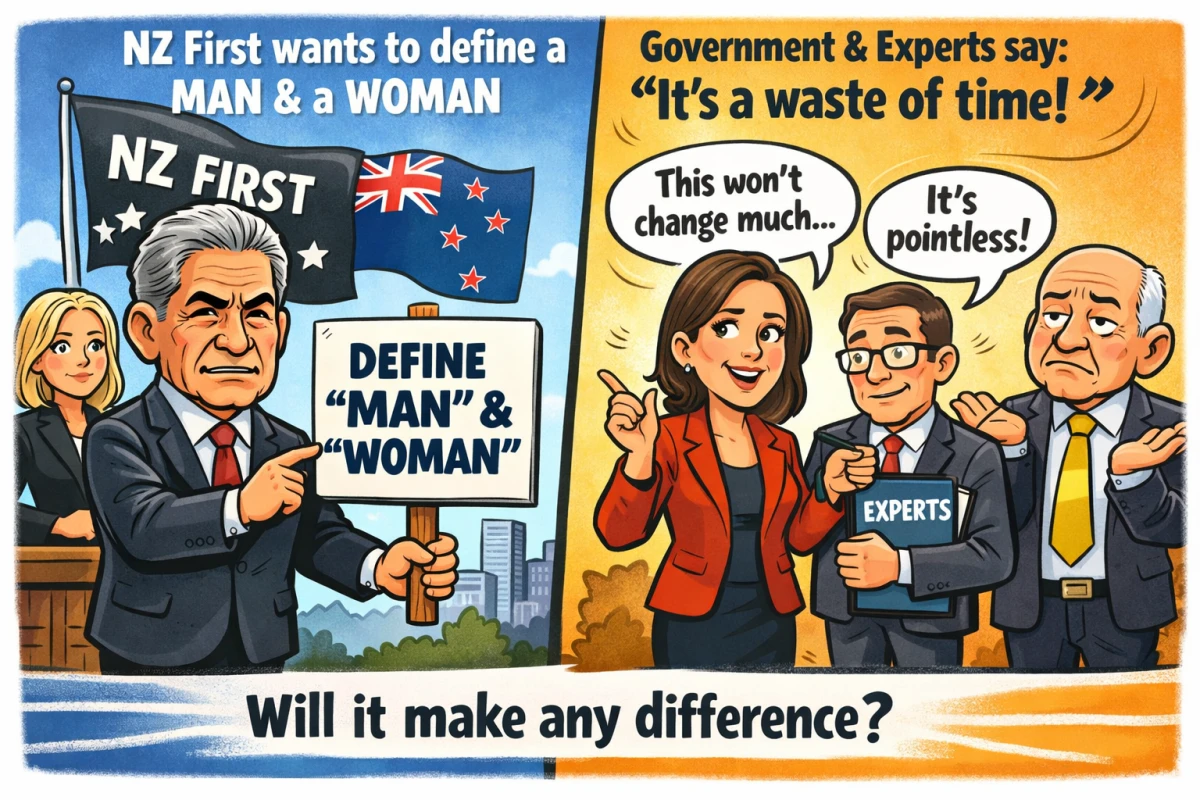
A recent political debate in New Zealand has drawn national attention after a proposal by New Zealand First to legally define the terms “man” and “woman”. The discussion, reported by Stuff, raises broader questions about how identity, law, and workplace policy intersect — and what this means for people in the workforce and those preparing to enter it.
While the proposal is political in nature, the implications stretch into areas that matter to everyday workers, employers, and students.
Legal definitions can influence how organizations shape their internal policies, including:

Companies operating in New Zealand or hiring remotely from there may need to review policy wording to stay compliant while also maintaining inclusive workplace practices. Clear communication and transparent policy updates will be essential to ensure employees feel informed and supported.
For students, this debate highlights the importance of understanding how legal frameworks can shape professional environments. Changes in definitions or legal interpretations may influence:
Students preparing for careers should stay informed about how these issues evolve, as they may affect workplace culture, expectations, and rights.
Jobseekers navigating the current labour market need to be aware of how policy discussions can influence:
Staying informed helps candidates evaluate employers not only on salary or role responsibilities but also on alignment with personal values and professional expectations.
Beyond the legal discussion, the debate reflects ongoing global conversations about identity, inclusion, and policy. For organizations, it’s a reminder that workplace policies should evolve alongside societal changes while balancing fairness, clarity, and legal compliance.
For professionals and students, it reinforces the importance of awareness — understanding how policy debates can shape opportunities, responsibilities, and workplace dynamics.
Regardless of where individuals stand on the debate, the conversation highlights how political and legal decisions can influence the professional landscape. Employers, students, and jobseekers benefit from staying informed, understanding their rights and responsibilities, and ensuring workplaces remain fair, transparent, and inclusive.
#NewZealand #GenderLaw #WorkplacePolicy #NZFirst #DiversityAndInclusion #Careers #Jobseekers #Students #Employers #EmploymentLaw #InclusiveHiring #WorkplaceCulture #CareerNews